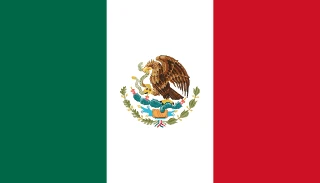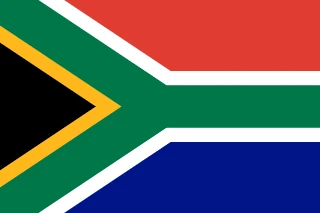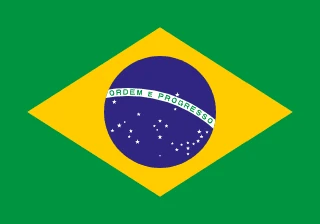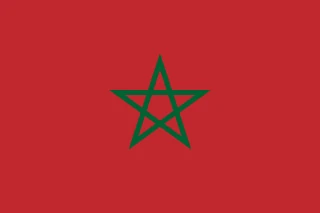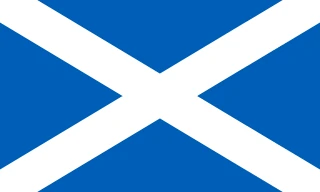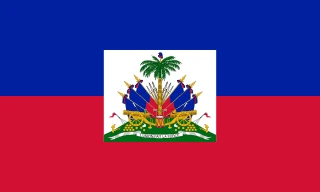
Following the official draw, the 48 participating nations have been sorted into 12 groups of four. The top two teams from each group, along with the eight best third-place teams, will advance to the expanded Round of 32.
The FIFA Word Cup Groups picture for 2026 is already shaping the biggest talking points of the tournament. Fans want the full draw, the likely qualifiers from each section, the new format, and the groups that could explode early. With 48 teams, 12 groups, and more knockout spots than ever, the group stage matters in a different way now.

This tournament is bigger, longer, and harder to predict. It also brings fresh storylines, from host-nation pressure to playoff placeholders that could still change the final look of several groups. That means the smart way to view the 2026 World Cup is not just by star teams, but by structure, balance, and route to the Round of 32.

Quick Answer

The 2026 FIFA World Cup groups feature 48 teams split into 12 groups of four. The top two teams in each group advance automatically, and the eight best third-placed teams also move on, creating a 32-team knockout bracket.

As things stand in the supplied tournament picture, several groups are fully known, while six spots remain subject to playoff results. The opening match is set to feature Mexico vs South Africa on June 11, 2026, with final playoff confirmations still expected.

2026 FIFA Word Cup All Groups

The biggest format shift is simple: more teams, more groups, and more ways to stay alive after a slow start. In past editions, one bad result could leave a favorite in deep trouble. In 2026, the expanded setup gives stronger third-placed teams a second path into the knockouts.

That does not make the group stage less important. It makes it more tactical. Teams will still want first place, and they will still want to avoid dangerous bracket paths. But now the table math becomes a bigger story from day one.

Here is the full World Cup 2026 groups list based on the current draw picture in the source content.

Group B

2 Qatar Qatar
4 UEFA Play-off A
View Group

Group D

4 UEFA Play-off C
View Group

Group F

2 Japan Japan
4 UEFA Play-off B
View Group

Group I

1 France France
3 Norway Norway
4 FIFA Play-off 2
View Group

Group K

4 FIFA Play-off 1
View Group

This FIFA 2026 group table gives fans the cleanest early view of the tournament. Some groups feel settled already. Others could look very different depending on which playoff winners arrive.

Background and context for the 2026 group stage

The 2026 FIFA World Cup group stage is historic because it expands the tournament to 48 teams across North America. Canada, Mexico, and the USA will host matches, which adds another layer to the draw because the three hosts also carry home pressure, travel advantages, and extra expectation.

The final draw in the provided source content is listed as taking place in December 2025 in Washington DC. Since then, the biggest talking point has been the six unconfirmed places still tied to playoff paths. That means the groups are mostly known, but not fully locked.

The structure itself is easy to follow. Each team plays three group matches. A win gives three points, a draw gives one point, and standings are shaped first by points and then by goal difference. That familiar format helps casual viewers, but the expanded field changes the strategy behind it.

How the FIFA World Cup 2026 group stage format works

Every team plays once against each opponent in its section. That means three matches per team before the knockout round begins. What changes in 2026 is the scale of qualification from the groups.

Stage detail Format
Total teams48
Total groups12
Teams per group4
Matches per team in group stage3
Automatic qualifiers per groupTop 2
Extra qualifiers8 best third-placed teams
First knockout roundRound of 32

This World Cup 2026 group stage format is built to keep more teams alive deeper into the opening phase. It also means final matchday tension should be high almost everywhere, because third place can still be enough.

That changes how coaches may manage risk. A side with four points after two matches may play differently from a team with one point and a poor goal difference. Table watching will become part of the fan experience much earlier.

Key facts and details that matter most

The most important thing to know is that not all groups are equally difficult. Some sections have a clear heavyweight. Others look balanced enough to become chaos.

Group C stands out because Brazil, Morocco, Haiti, and Scotland create a mix of pedigree, recent momentum, and unpredictability. Group L also jumps out with England, Croatia, Ghana, and Panama, a section that could become very tight if one early result goes against the favorite.

Group E looks favorable for Germany on paper, but debutant stories matter in World Cups. Curaçao adds an unknown factor, and those teams can be difficult to read early. Group H also deserves attention because Spain, Uruguay, Saudi Arabia, and Cabo Verde bring very different styles into one section.

The hosts are another major angle. Mexico, Canada, and the USA all enter with the emotional lift of home crowds. That can help, but it can also raise pressure if the opening results are not strong.

Groups most likely to shape the early tournament

Pending playoff teams and why they matter

As of the supplied March 2026 update, six places are still undecided. Four come from UEFA playoffs and two from the intercontinental route. The UEFA playoff paths mentioned in the source content include strong names, which is why placeholders matter so much. A section can look manageable one week and far more dangerous once a playoff winner is confirmed.

Here is the basic playoff picture in the source material:

Playoff type Open places Groups affected
UEFA playoffs4A, B, D, F
Intercontinental playoffs2I, K

This is why any World Cup 2026 group predictions should stay flexible. A late qualifier can change matchups, style clashes, and even projected group rankings.

What to expect from the 2026 World Cup group stage

The new format should create more live groups on the final matchday. In older editions, some teams were effectively out after two poor games. Now a third-place route keeps more nations in the race.

That means goal difference could become a bigger conversation than usual. Teams will not only chase wins. They will also protect scorelines and try to improve their position against third-placed rivals from other groups. Fans should also expect more debate around rotation. Because the path to the Round of 32 is wider, some coaches may think beyond simply surviving. They may try to finish first and avoid a more difficult knockout route.

The host nations are expected to benefit from familiar conditions and crowd energy. Mexico appears well placed to start fast. The USA has a balanced but tricky challenge. Canada also faces a serious test, even with home support. At the same time, debutants and lower-profile sides could shape the entire bracket. Curaçao, Cabo Verde, and Jordan bring fresh energy. Even when such teams are not picked to advance, they can take points that change a whole group.

Group stage analysis: who looks strongest right now

Germany and France look like teams many observers would expect to progress. Argentina also enters with the label of defending champion in the source content, which naturally puts Group J under the spotlight.

Brazil should lead Group C on paper, but that section feels more dangerous than some of the others. England and Croatia give Group L real edge, and Portugal’s path in Group K could depend heavily on who wins the intercontinental playoff place.

For fans tracking the 2026 World Cup group standings early, the best approach is not to overreact to one result. In this format, matchday two may be the true pivot point. A team can recover from an opening draw or even an opening loss if the rest of the group stays tight.

Conclusion

The 2026 World Cup groups already give fans plenty to study, even with a few playoff slots still open. The expanded format adds more drama, more survival paths, and more pressure on every point.

For viewers, the smartest move is to track group balance, third-place races, and the playoff placeholders that could still change the bracket. The full picture is close, but a few final pieces are still yet to be confirmed.

Frequently Asked Questions

They are the 12 groups that make up the 2026 FIFA World Cup group stage. Each group has four teams, and the top two plus eight best third-placed teams advance to the Round of 32.

There are 48 teams in total, split into 12 groups of four.

Each team plays three matches, one against every other team in its group. Teams earn three points for a win and one for a draw, with standings decided by points and then goal difference.

Groups A, B, D, F, I, and K still include playoff placeholders in the supplied tournament picture. Those spots are subject to confirmation after the remaining playoff matches.

Based on the supplied source content, the group stage begins on June 11, 2026, with Mexico scheduled to play South Africa in the opening match.