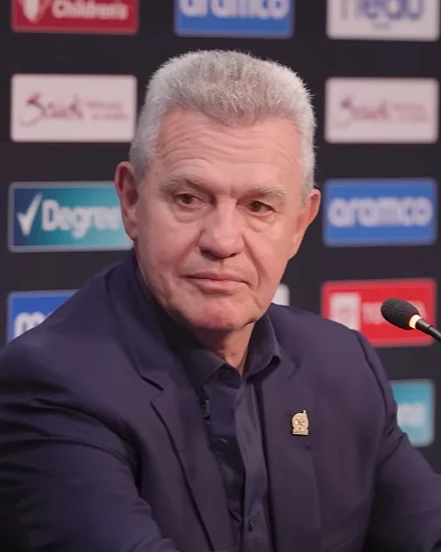
FIFA's Mexico team profile for World Cup 2026 makes the present situation clear: Javier Aguirre is the coach leading El Tri into the tournament. That means this page is not about Mexico's current setup. It is about the tactical stage that came before it.
Lozano still matters because he coached a significant stretch of the road to 2026 and tried to build a more front-foot version of Mexico for major matches. Understanding that phase helps explain why the federation later changed direction.
Lozano wanted Mexico to play with more aggression, quicker wing attacks, and a stronger emotional edge. The team often looked to press earlier, move the ball forward faster, and create a more modern attacking rhythm than in some older cycles.
The positive side was energy. The problem was that the collective control did not always match the ambition, especially when the opponent forced Mexico into uncomfortable or slower games.
Overview of Lozano's Mexico Cycle
The core idea of Lozano's Mexico was to play with momentum rather than hesitation. He wanted the side to look braver in possession and more active without the ball, with less of the cautious sideways circulation that had frustrated fans before.
That gave the team a clearer emotional tone, but it also increased the tactical burden. If the press was broken or the buildup lost its shape, Mexico could become too stretched.
How Mexico Used His System
Defensive shape and structure
Mexico under Lozano tried to defend more proactively. The first line wanted to pressure the ball earlier, and the midfield often pushed higher to support that approach.
The issue was not the idea itself. It was the consistency of the distances. In tougher matches, the side could leave too much room between the lines once the first press was bypassed.
Attacking patterns and transitions
With the ball, Lozano wanted Mexico to attack through quicker combinations and more direct wide service. The team tried to reach the front line sooner, especially when the opponent was not yet fully set.
That created better moments in transition, but it did not always solve chance creation against compact blocks. Mexico could still look short of a fully settled final-third plan once the game slowed down.
Key players and their roles
The tactical success of Lozano's cycle depended on balancing aggression with structure. Mexico needed its midfield and defensive screen to stay organized enough that the attack could take risks without exposing the team too heavily.
That balance is hard for any national side, and it was especially important for Mexico because the home World Cup conversation was already building around every performance.
Strengths of This Approach
The strongest part of Lozano's cycle was that he pushed Mexico toward a more ambitious style. The team looked livelier and less passive when the press and transitions were working.
He also reintroduced a sense that Mexico needed to attack games with more personality rather than simply manage them.
Weaknesses and Vulnerabilities
The weakness was incomplete control. Mexico still looked vulnerable when games became stretched or when stronger opponents forced the side into deeper defensive phases.
That left the project looking promising in parts but not fully convincing as a final World Cup solution.
How It Could Play Out at World Cup 2026
Lozano is not the coach taking Mexico into the 2026 finals, but his spell still belongs in the tactical story because it shaped part of the wider cycle. It showed what kind of front-foot Mexico fans wanted, even if the final version was not ready.
That in turn helps explain why the federation moved to the more experienced Aguirre before the tournament on home soil.
Frequently Asked Questions
No. As of March 17, 2026, Mexico's current head coach is Javier Aguirre.
He tried to make Mexico more aggressive, more direct, and more proactive without the ball.
Because the team still lacked enough complete control and consistency against stronger opponents.
Yes. His spell helps explain the tactical direction Mexico explored before the later coaching change.
Conclusion
Lozano's Mexico phase was important because it pushed the team toward a more ambitious style during the road to 2026.
But the project never looked settled enough to remain the final answer for a home World Cup.