2026 FIFA World Cup All 16 Venues and Stadiums plan is set across three host nations. This guide covers every confirmed host stadium, match flow, travel value, and fan experience details that actually shape a better tournament plan. If you are comparing stadium choices, venue capacity impact, and city route strategy, this page gives you the full picture in one place.
The expanded tournament format includes 48 teams and 104 matches, so venue choice now matters more than in previous editions. Instead of asking only where your team plays, the smarter question is how each stadium fits your route, budget, and knockout potential. For city-to-city planning, you can also use our World Cup 2026 travel guide.
Because match demand is uneven, some stadiums carry premium pressure while others offer better value windows. Moreover, kickoff times, city distances, and regional clusters can change your total trip cost. So, understanding all 16 World Cup 2026 stadiums before final booking is one of the strongest planning advantages for any fan.
Latest Tournament Venue Updates Fans Should Know
The current hosting framework keeps the opening match in Mexico City and the final in New York New Jersey. Meanwhile, the full tournament runs from June 11, 2026 to July 19, 2026. Consequently, venue demand will peak around opening week, final week, and selected knockout weekends.
At the same time, regional travel logic remains one of the biggest differences from past World Cups. Since this tournament spans North America, fans usually get a better experience by limiting travel jumps. For example, a two-region plan often feels smoother than a full cross-continent route.
Full Stadium List by Region with Planning Context
To make planning easier, the table below groups all stadiums by host region and country context. This structure helps you decide where to start, where to stay longer, and where to avoid rushed transfers.
Region cluster
Stadiums
Country mix
Planning value
West
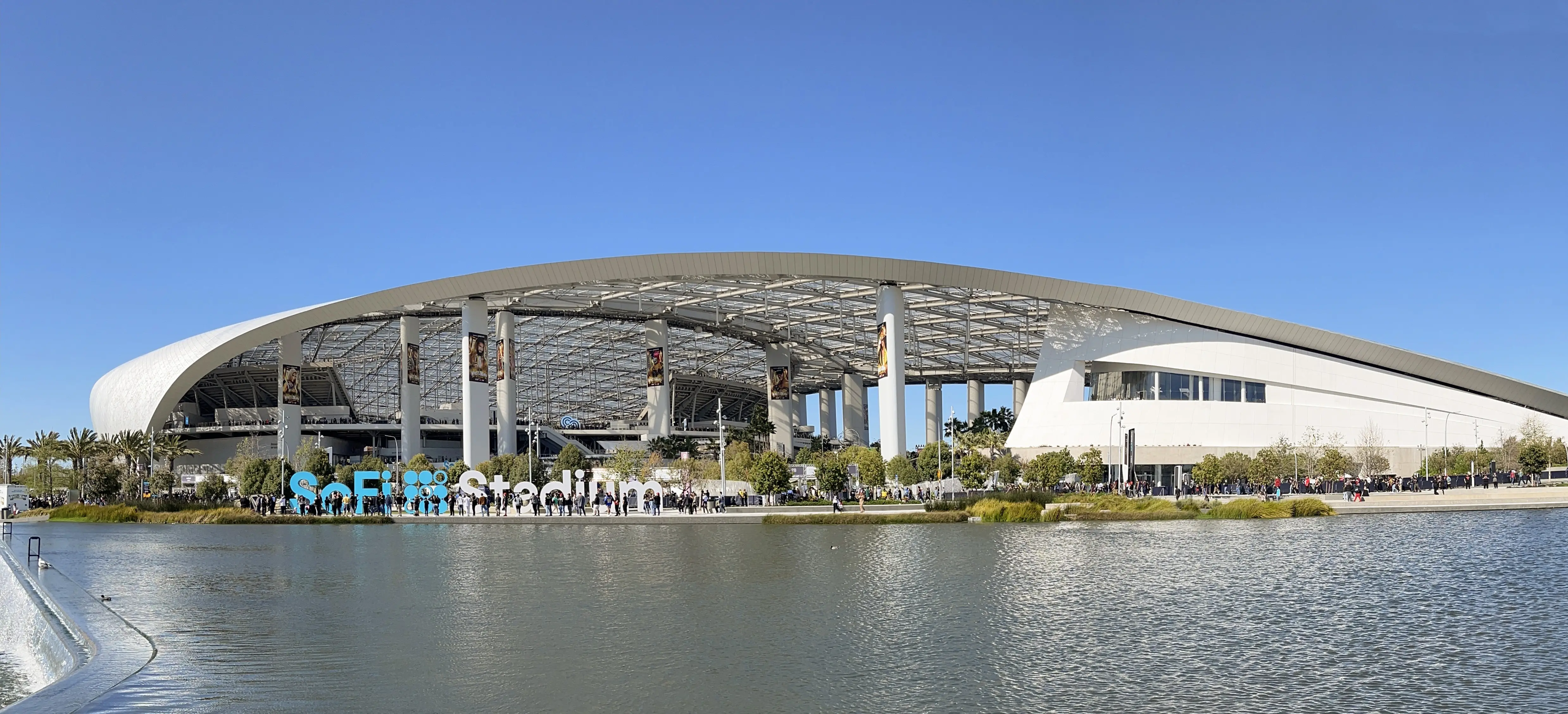
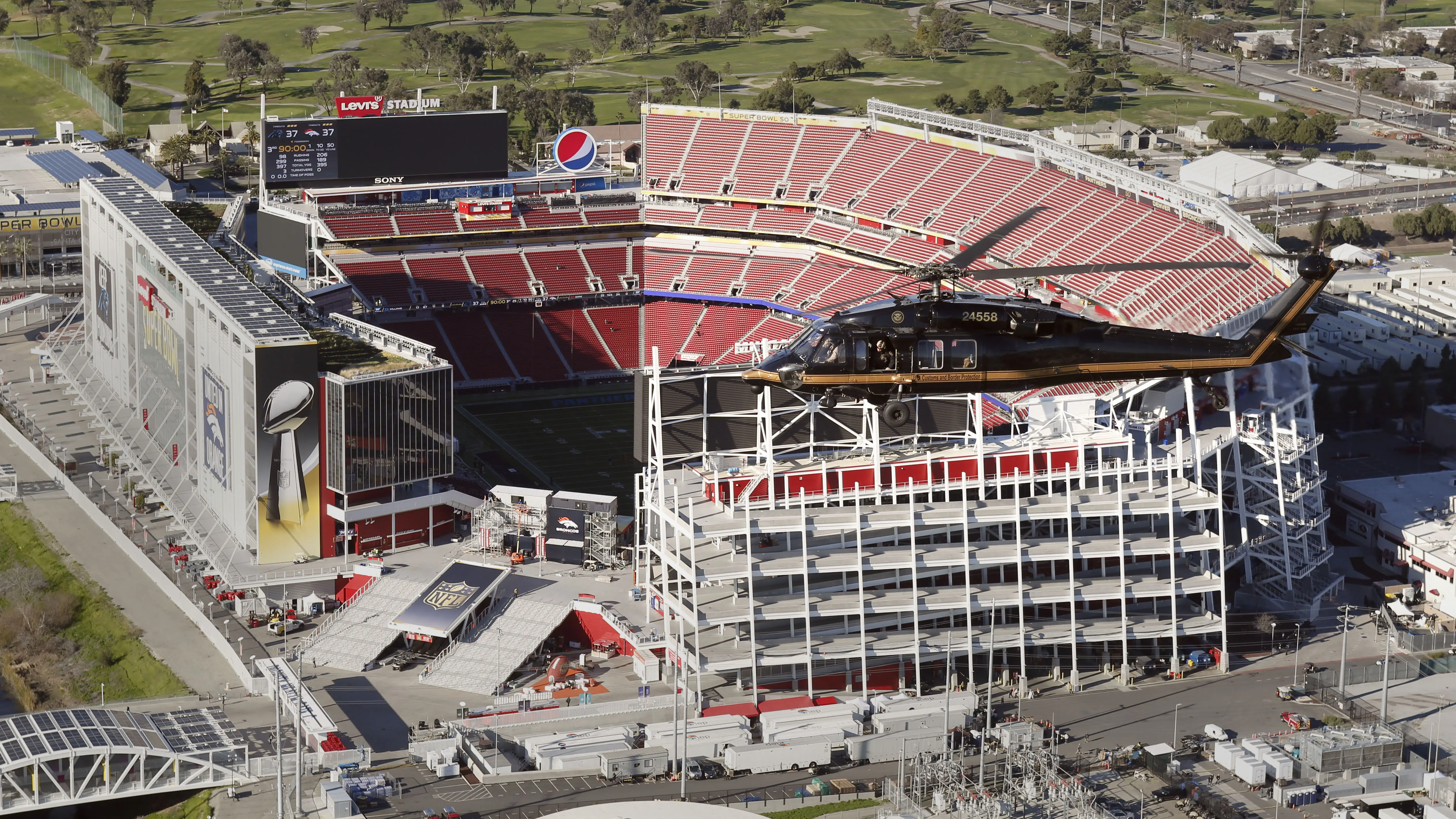
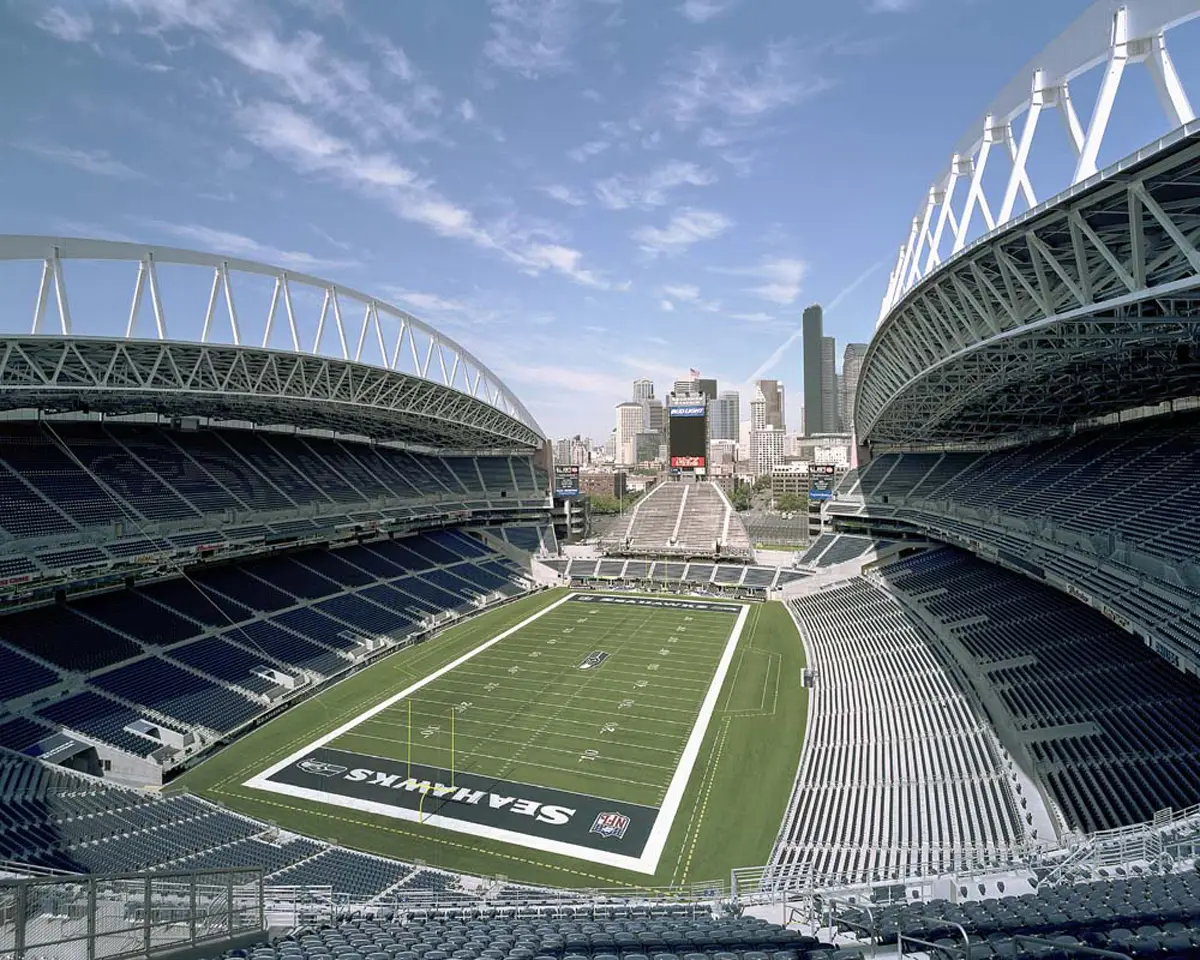
BC Place, Lumen Field, Levi's Stadium, SoFi Stadium, Estadio Akron
Canada, USA, Mexico
Strong route for fans combining West Coast cities with shorter hops
Balanced route with high football culture and practical transfer options
East
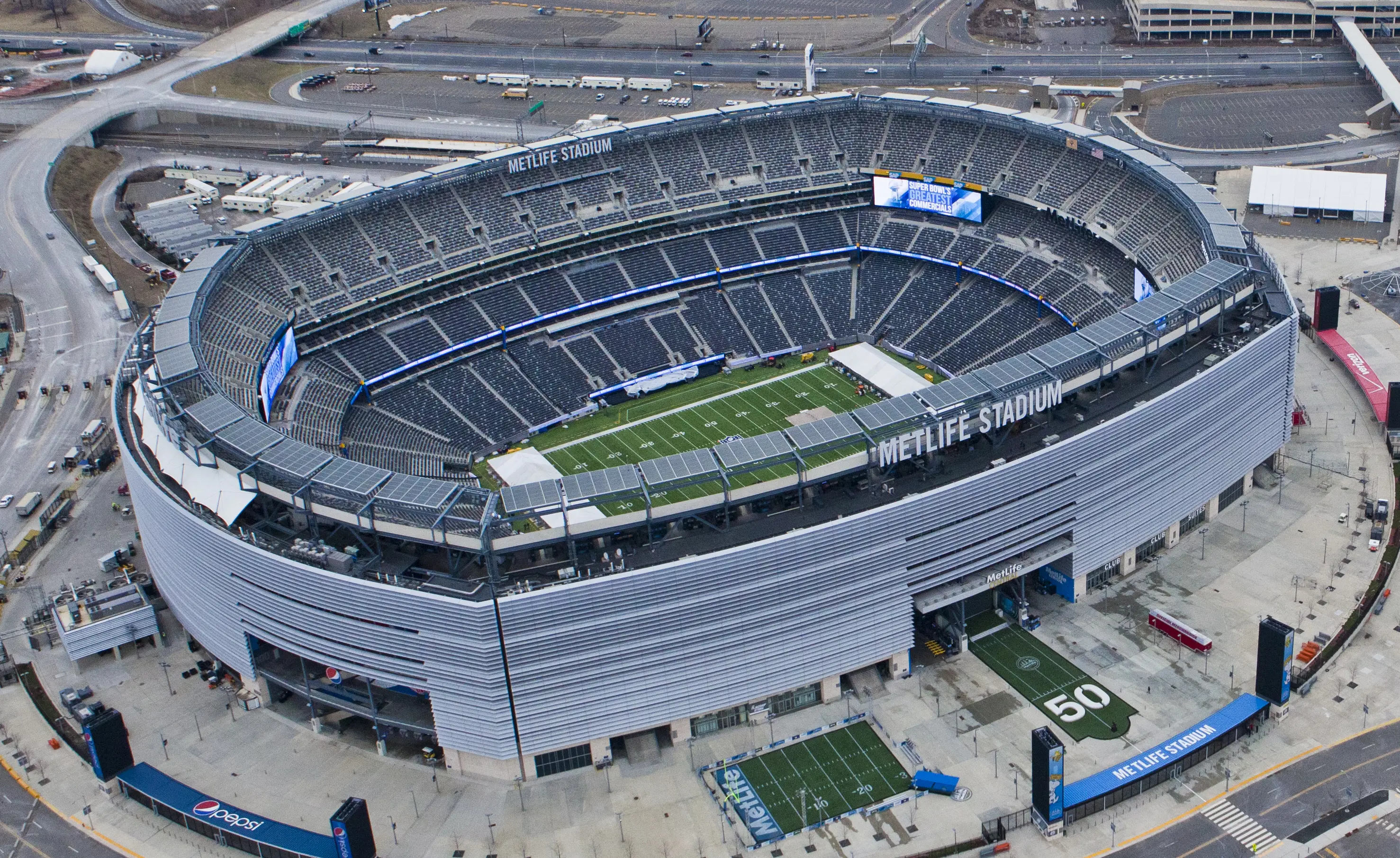
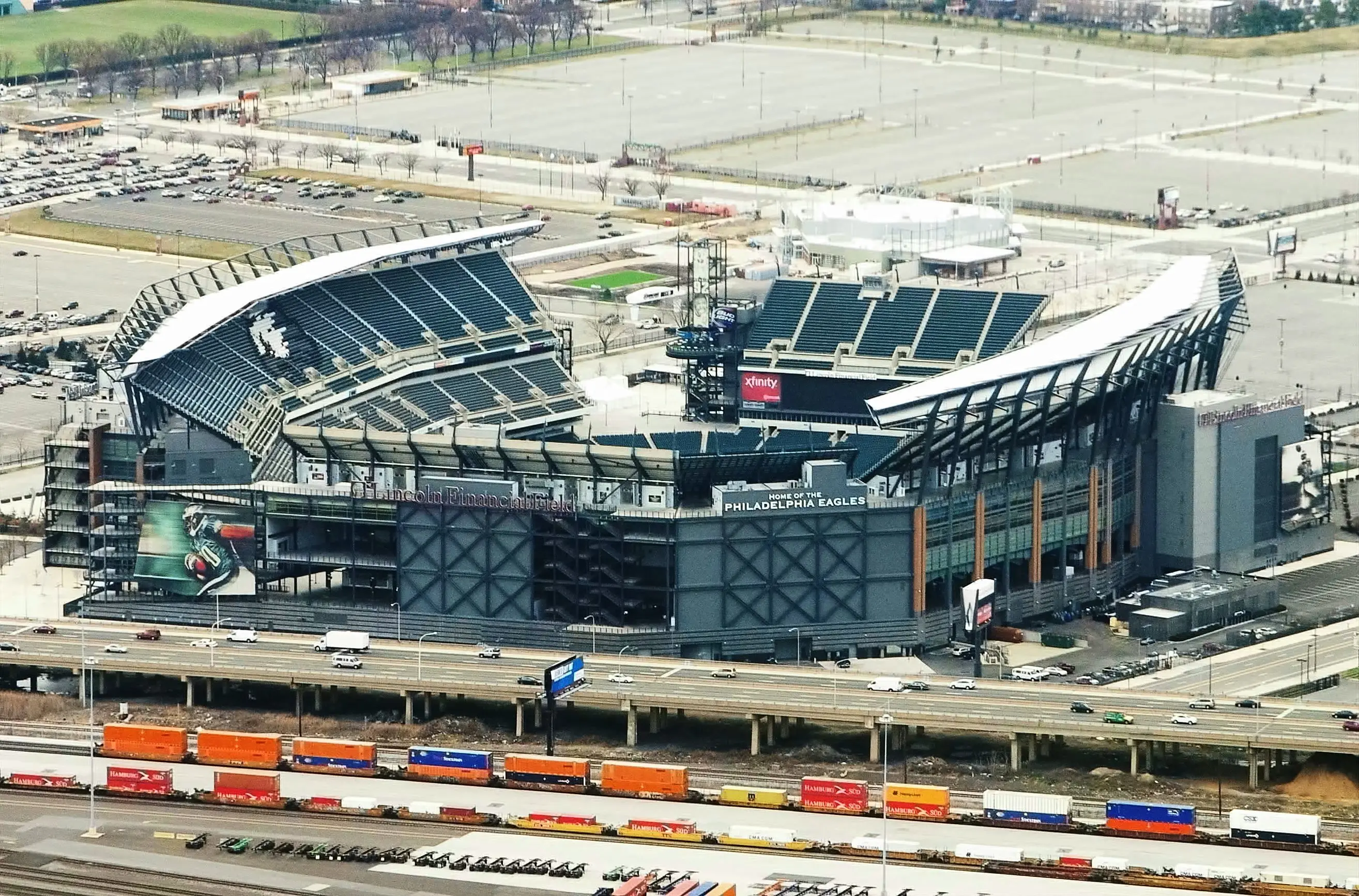
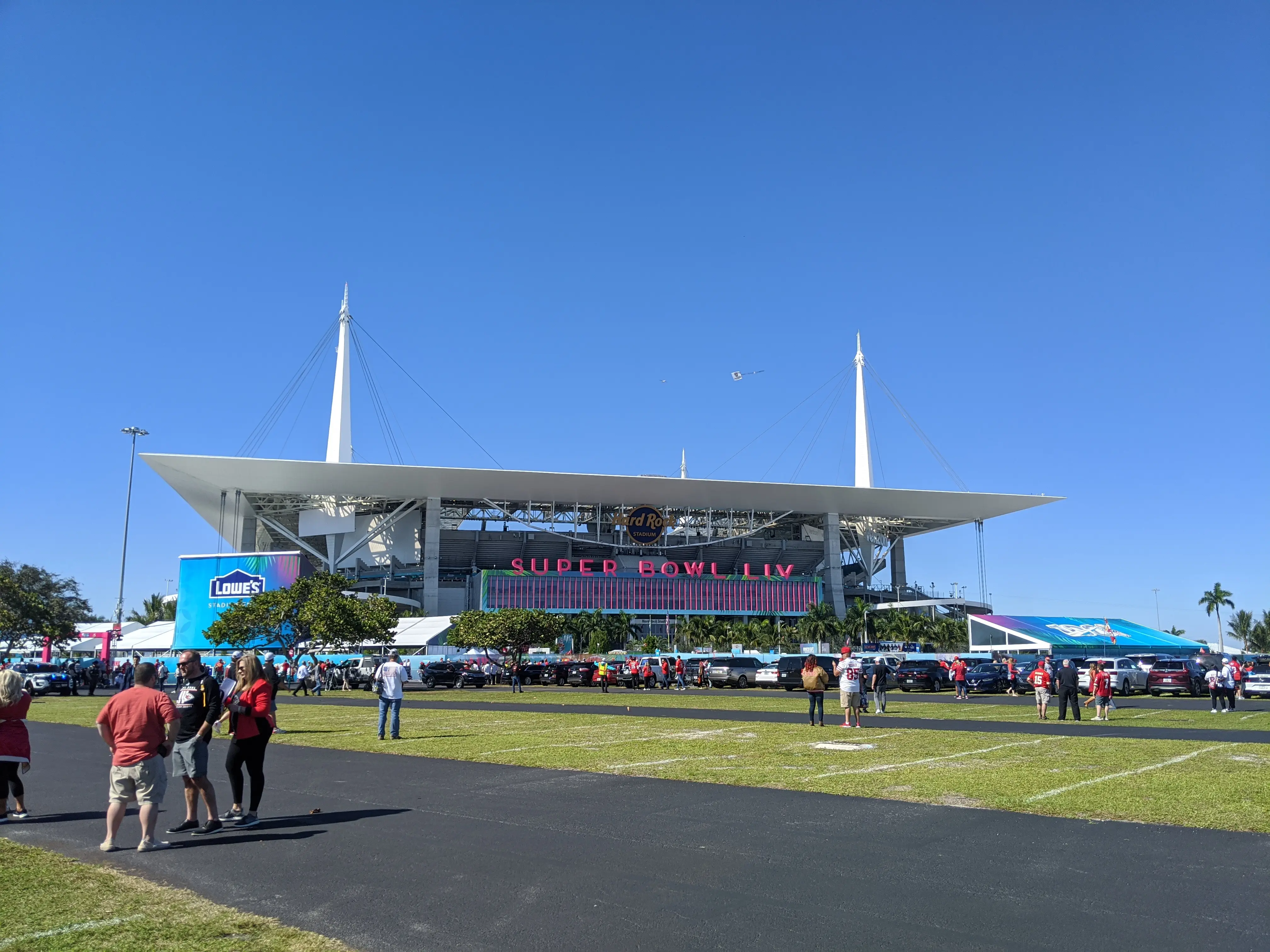
BMO Field, Gillette Stadium, Lincoln Financial Field, Hard Rock Stadium, MetLife Stadium, Mercedes-Benz Stadium
Canada, USA
Best choice for fans targeting knockout atmosphere and major hubs
How to Choose the Right World Cup Venue for Your Trip Style
Different fans need different venue strategies. Therefore, your first decision should be trip style, not random ticket hunting. Once trip style is clear, venue selection becomes faster and less stressful.
If you want iconic moments
Prioritize Mexico City Stadium and New York New Jersey Stadium windows first. Then build backup options in the same region to reduce transfer risk.
If you want better value
Mix one marquee venue with two mid-pressure stadiums. This usually improves budget control while keeping strong match atmosphere.
If you want fewer travel shocks
Stay inside one cluster and add only one extra city. As a result, you save time and reduce border or airport stress.
Stadium Capacity and Atmosphere: What Really Matters
Capacity matters, but context matters more. A larger stadium can offer spectacular crowd scale, yet your matchday experience also depends on access flow, heat exposure, entry timing, and transport reliability. So, capacity should be one metric among several.
For example, stadiums above seventy thousand seats can produce massive tournament energy, especially during knockout rounds. Still, they often require more arrival buffer because security queues and post-match exits take longer. By contrast, some mid-capacity venues may feel smoother for first-time World Cup travelers.
Another practical point is seat category availability. Even in large venues, premium category demand can close early around high-profile fixtures.
Match Planning for Opening Week, Knockouts, and Final Week
Opening Week Approach
Opening week normally carries intense global demand and fast-moving inventory. Because of that, fans should finalize city logistics before trying late ticket moves. You should also allow extra time for immigration and airport congestion in this period.
Knockout Phase Approach
Knockout rounds reward route discipline. If your path depends on team progression, keep at least one flexible stay and one transfer backup. Otherwise, one fixture shift can force expensive changes.
Final Week Approach
Final week is usually the highest pressure window for pricing and availability. So, if the final city is your primary goal, lock core logistics early and treat secondary events as optional, not guaranteed.
USA Venues: Practical Guidance for First-Time World Cup Travelers
The United States hosts the largest share of stadiums, which creates more route combinations and also more complexity. On one hand, domestic connectivity is strong across major hubs. On the other hand, city distance can be significant, so back-to-back match planning needs precision.
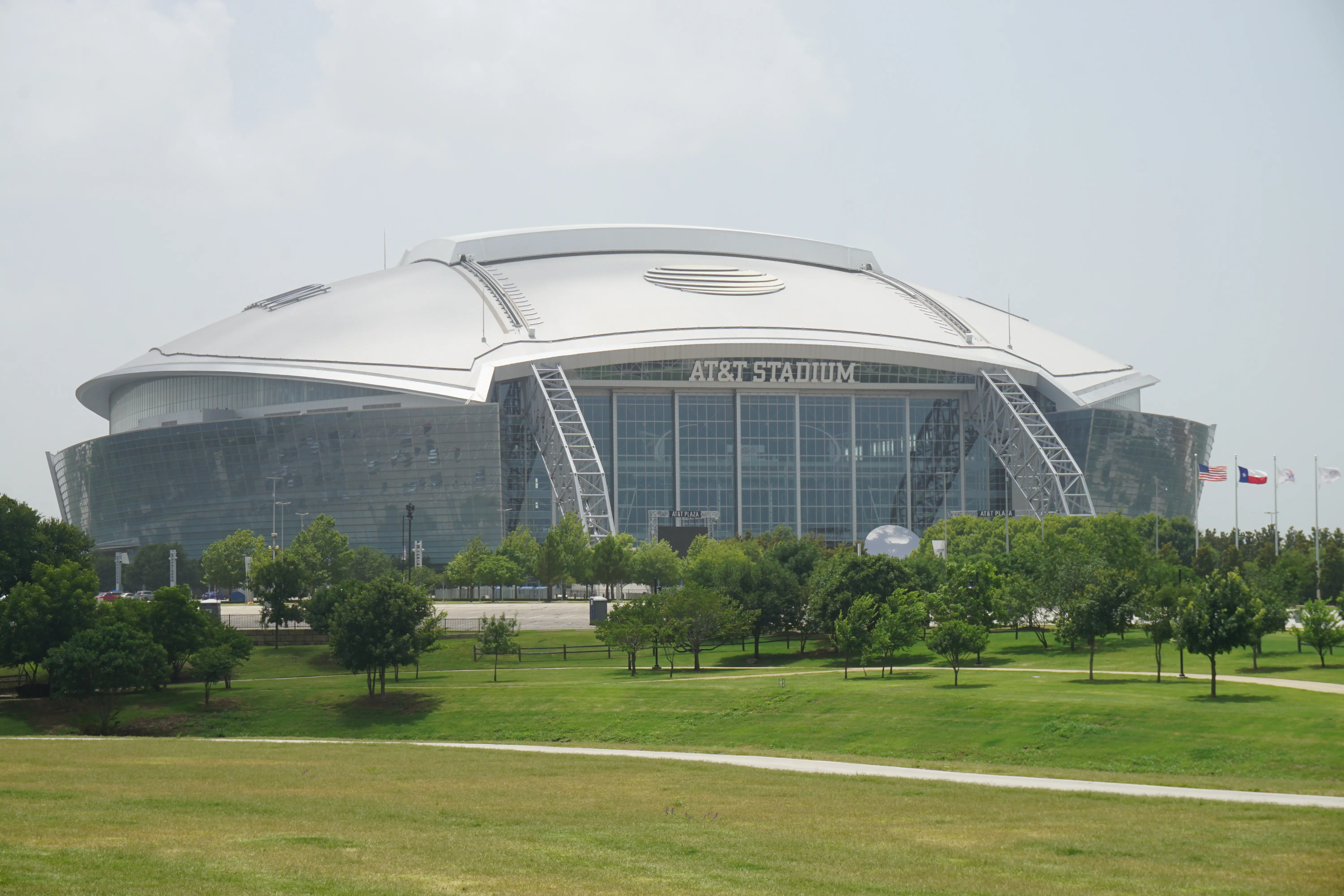
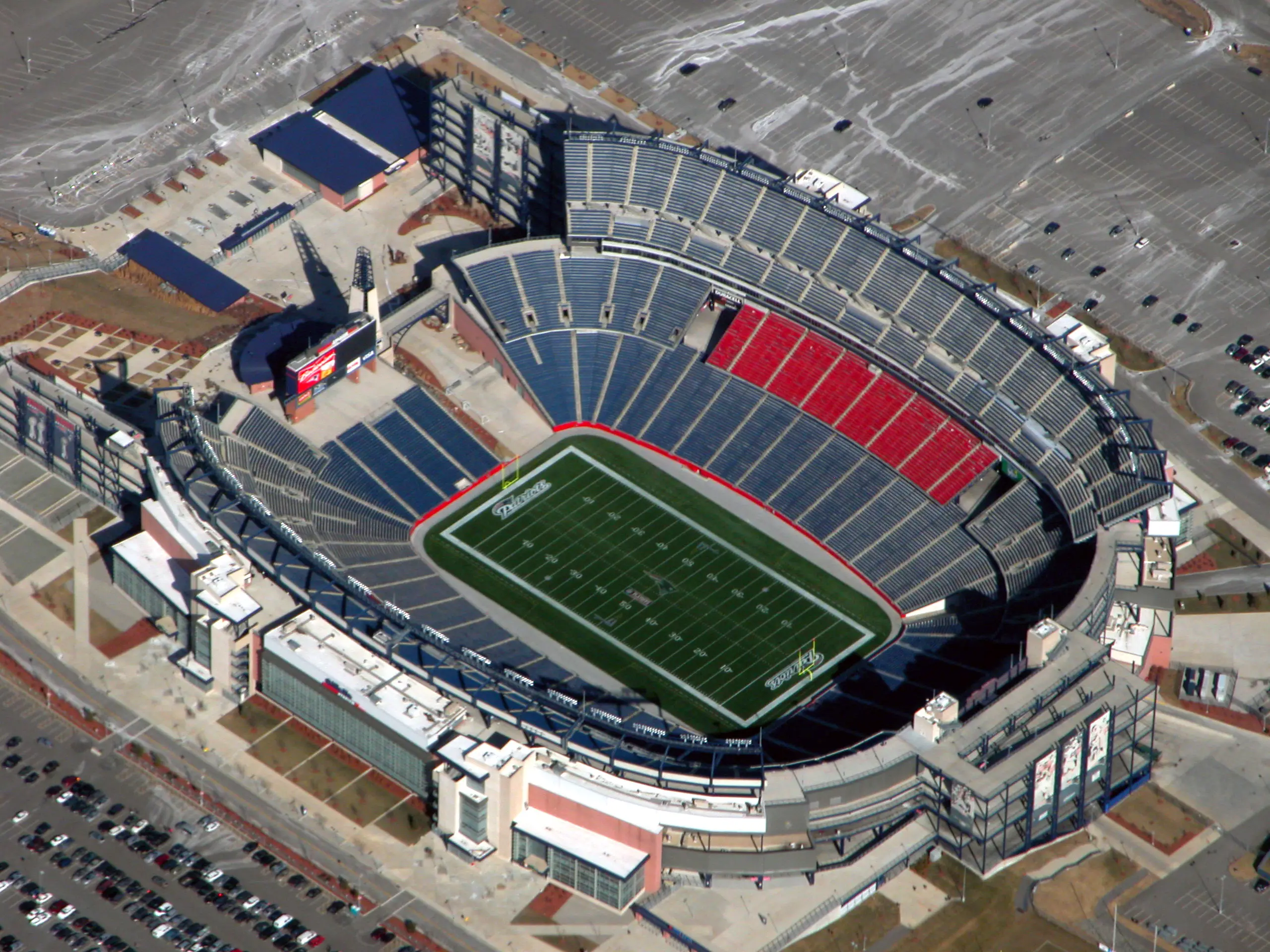
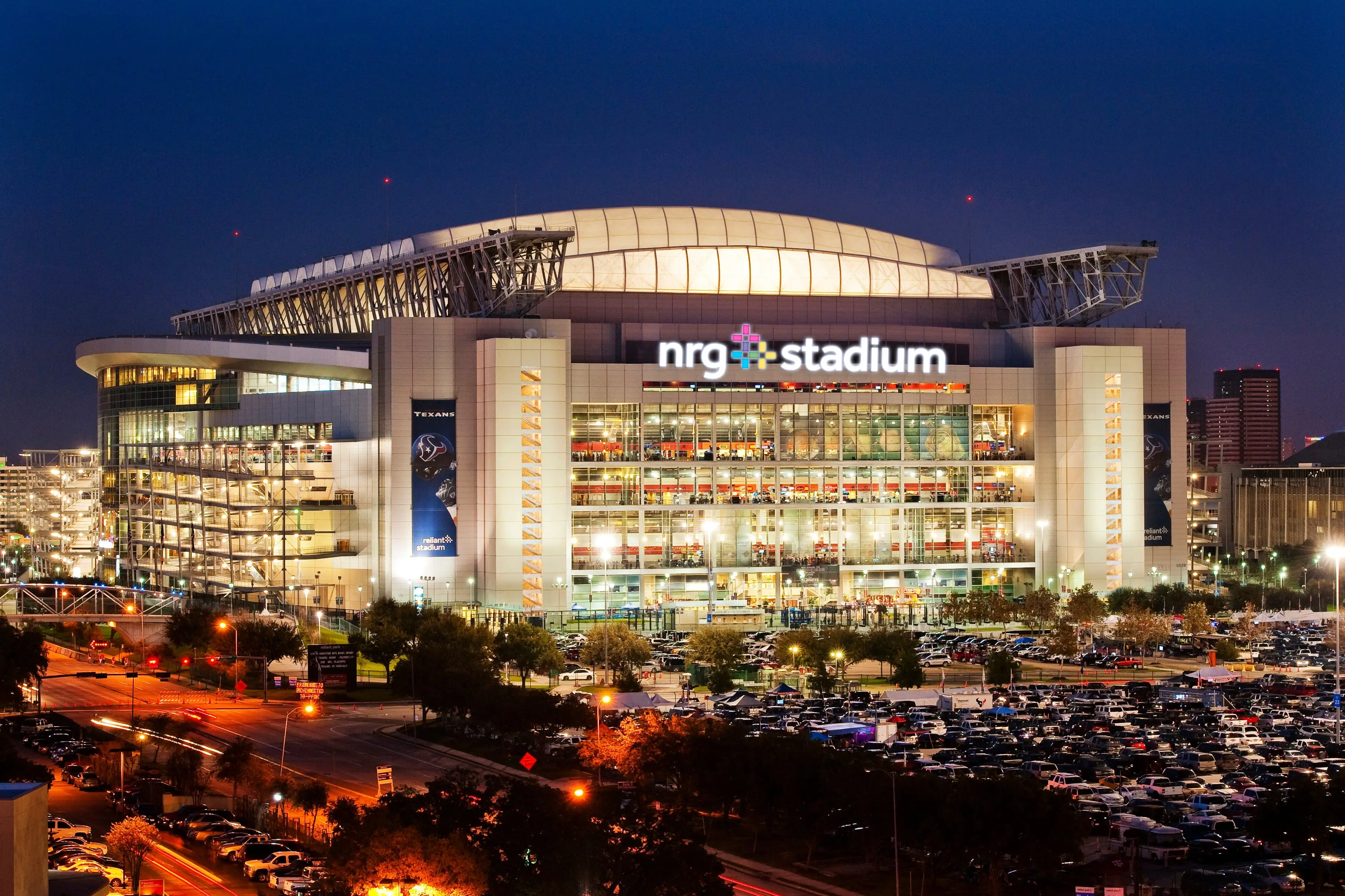
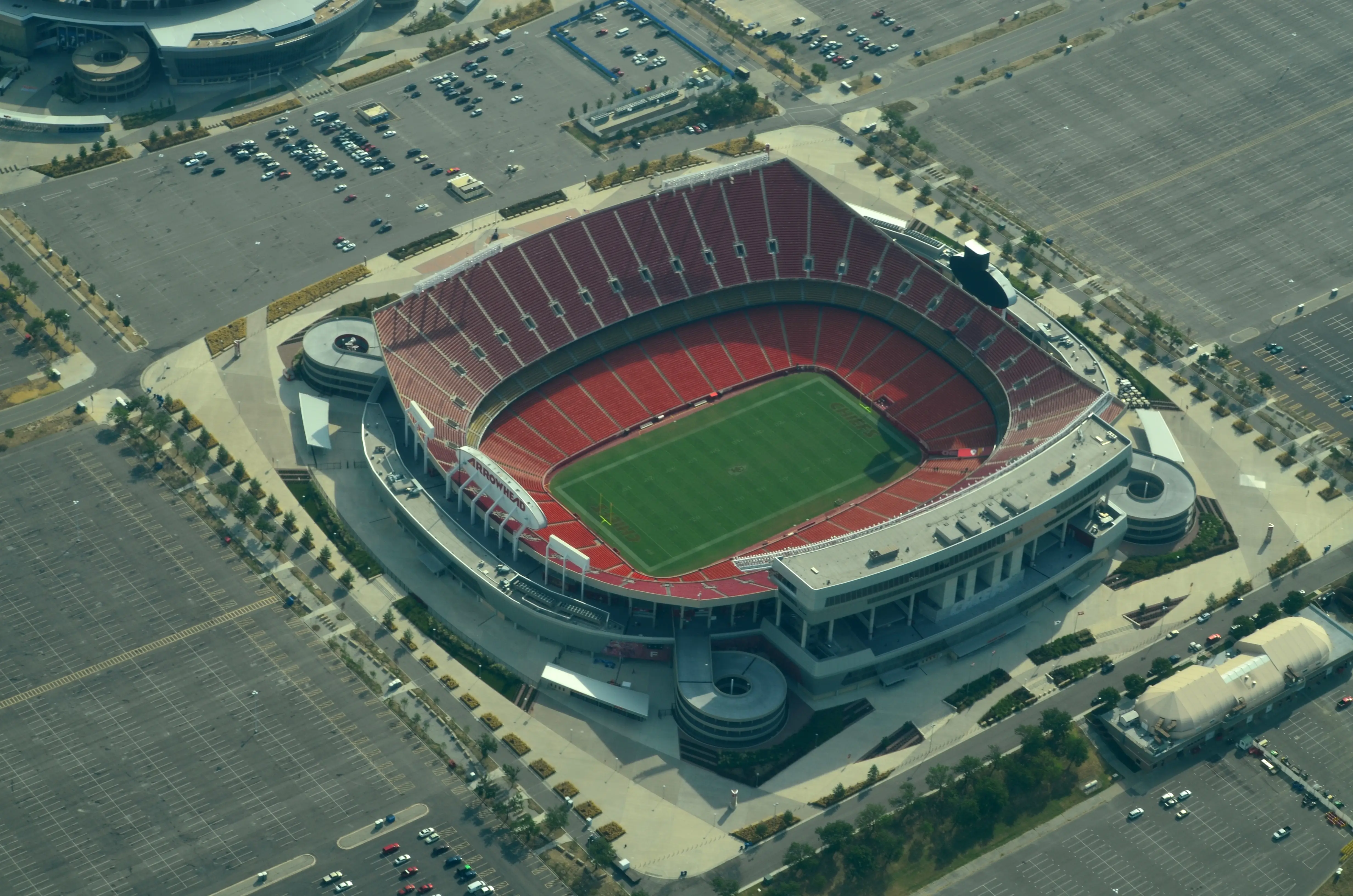
For East-focused plans, New York New Jersey, Philadelphia, Boston, Atlanta, and Miami can work as a structured sequence. Meanwhile, a central sequence can combine Dallas, Houston, and Kansas City with fewer major jumps. Likewise, a West sequence often combines Los Angeles, San Francisco Bay Area, and Seattle.
Mexico Venues: Football Culture, Value, and Route Logic
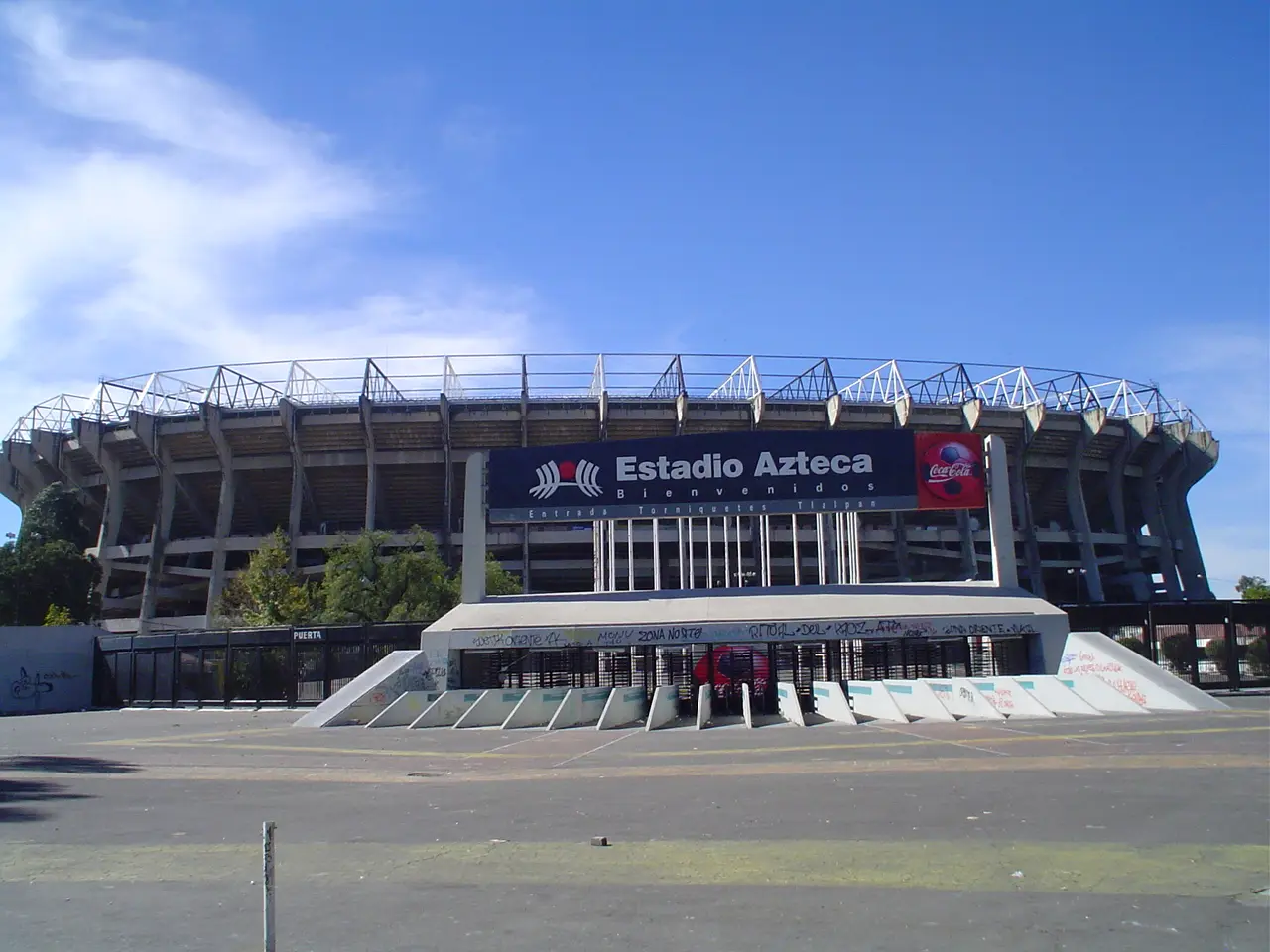
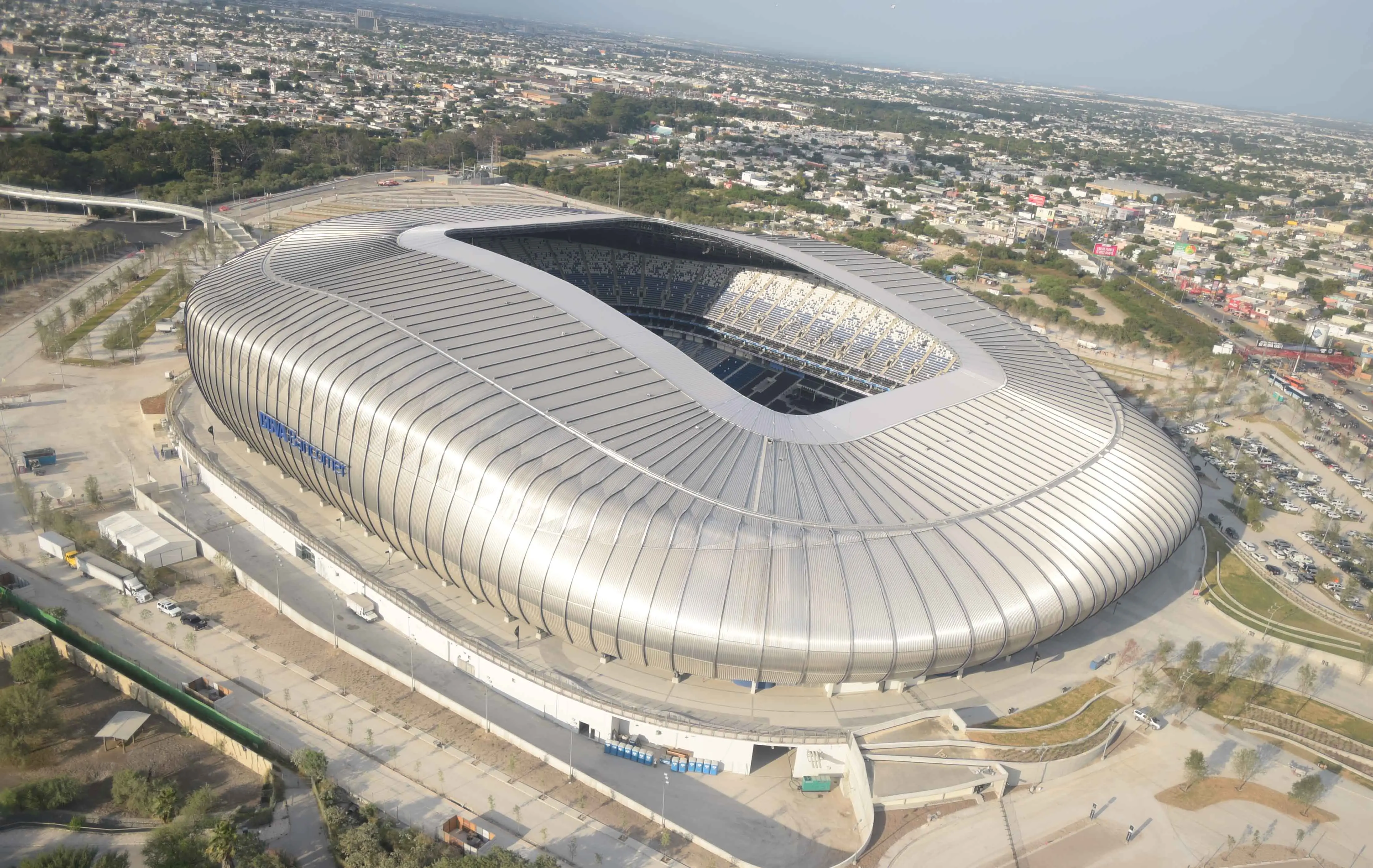
Mexico's three stadiums provide a strong cultural core with high football energy and efficient fan rhythm. As a result, many supporters build a Mexico-centered plan and add one neighboring cluster city only when needed.
Mexico City is a focal point for opening-stage attention, while Guadalajara and Monterrey can balance atmosphere with practical planning options. Therefore, this trio is ideal for fans who want concentrated football identity without overspreading the trip.
Additionally, pairing Monterrey with nearby US central cities may work for selected schedules. However, you should still leave a border buffer to avoid high-stress travel days.
Canada Venues and Smart East-West Combinations
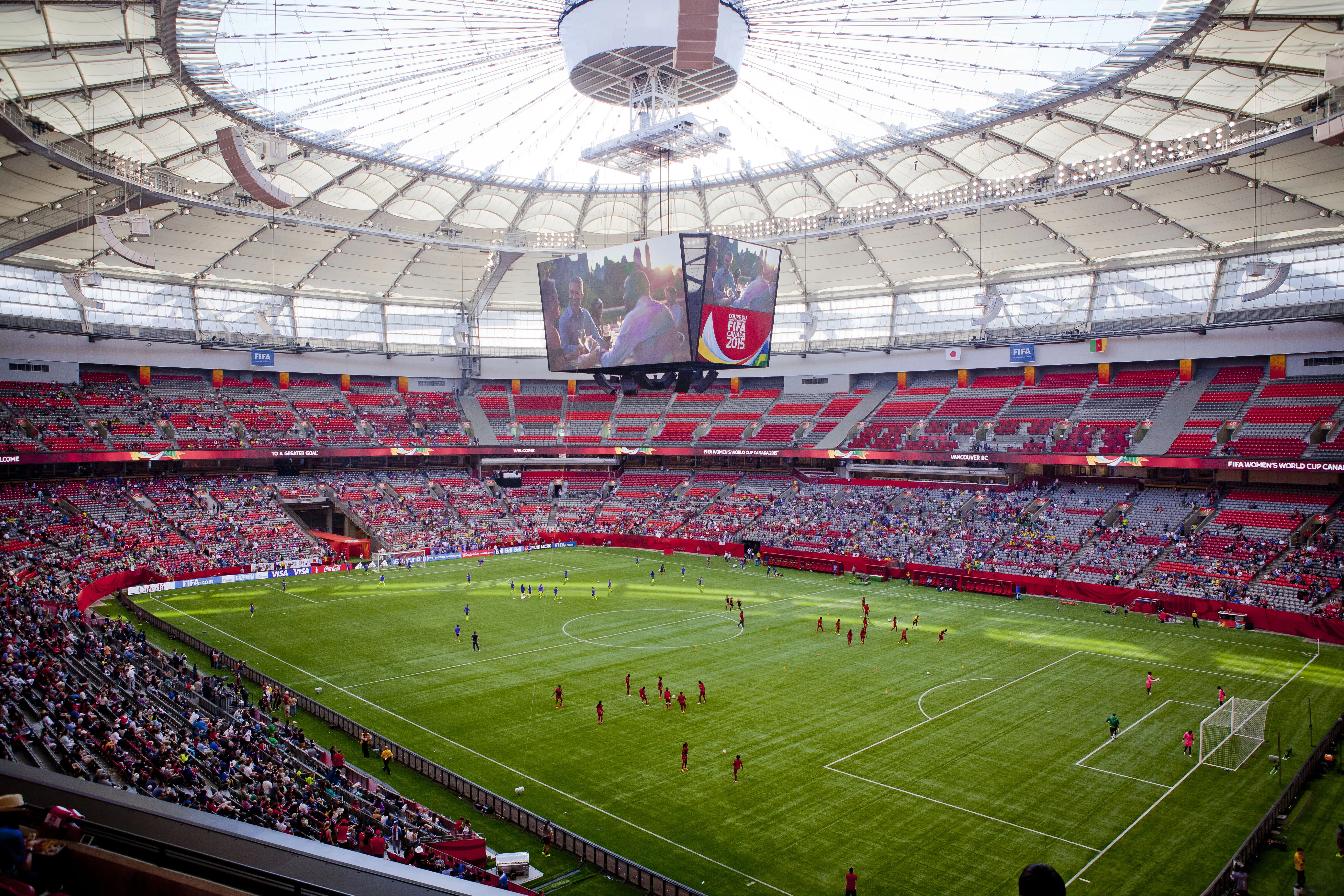
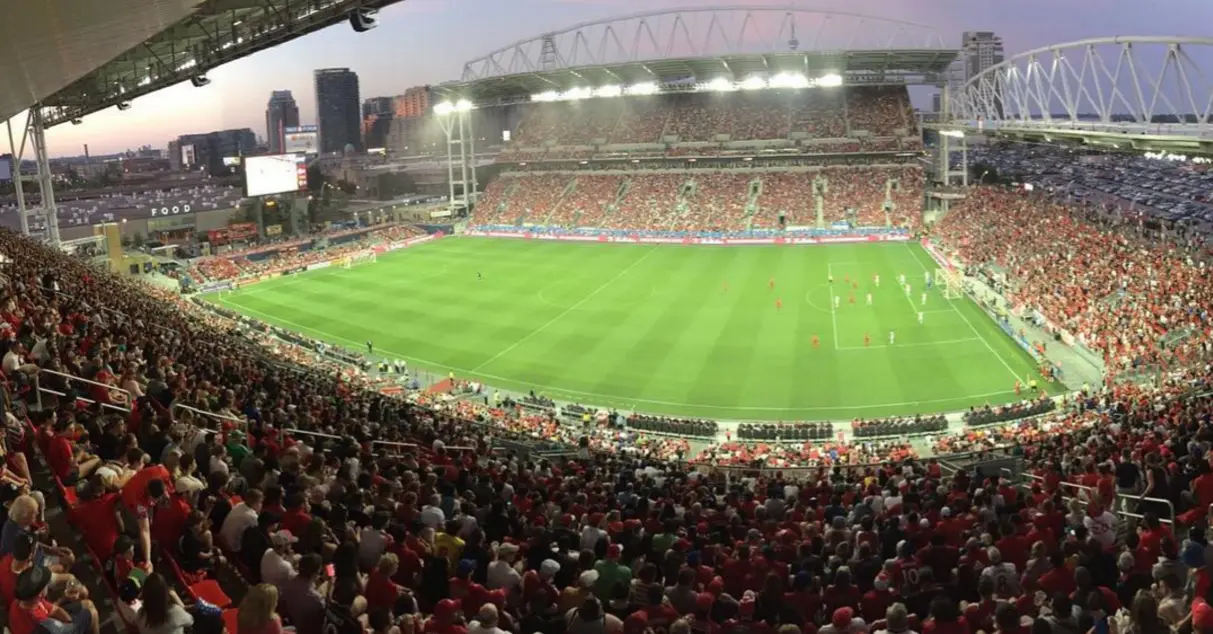
Canada brings two distinct venue experiences with BMO Field in Toronto and BC Place in Vancouver. These two cities support very different route styles. Toronto fits naturally with East cluster planning, while Vancouver fits with West Coast planning.
Because the cities are far apart, most fans should avoid combining both in a short itinerary. Instead, select one Canadian venue based on your primary cluster. Consequently, your route stays cleaner and your transfer costs remain more predictable.
Budget Strategy by Venue Pressure and City Demand
Budget control does not mean low quality. Instead, it means matching venue priority with city demand cycles. First, choose one high-priority venue. Next, add medium-pressure stadiums with more flexible inventory windows. Finally, keep one optional match slot for late value opportunities.
Furthermore, avoid overcommitting to non-refundable products before your match map is stable. Flexible accommodation and practical transfer spacing often save more money than chasing a single early price drop. In many cases, the cheapest booking today becomes the most expensive change later.
Mistakes That Reduce Venue Experience and How to Avoid Them
Mistake One: Picking Too Many Cities Too Quickly
Fans often overbuild early plans. Instead, lock one region first, then add only one expansion city.
Mistake Two: Ignoring Queue and Entry Buffers
Large World Cup days bring long security lines. Therefore, arrival timing should include a realistic buffer, not ideal timing.
Mistake Three: Buying Without Route Backup
If every booking is fixed, one schedule change creates a chain reaction. Keep backup transport and one flexible stay.
Mistake Four: Choosing Headline Venues Only
Headline venues are excellent, yet mixed venue strategy usually gives better total value and less stress.
Final Planning Checklist for All 16 World Cup 2026 Stadiums
Step 1
Pick your primary region and your highest priority stadium.
Step 2
Create a two-level match list with primary and backup choices.
Step 3
Lock flexible stays first, then finalize flights after route confidence improves.
Step 4
Add one rest day around major transfers and high pressure match windows.
Step 5
Keep digital and printed ticket and document copies before each matchday.
Frequently Asked Questions
The tournament uses 16 official stadiums across the United States, Mexico, and Canada.
The opening match is scheduled for Mexico City Stadium, while the final is scheduled for New York New Jersey Stadium.
Start with one cluster, choose one headline venue, and add medium-pressure stadiums to control cost and travel fatigue.
Not always. Large stadiums deliver scale, yet mid-capacity venues can offer easier entry, smoother exits, and better travel rhythm.
Lock accommodation and match priorities first. Then finalize flights after your city sequence and timing are clear.
 USA
USA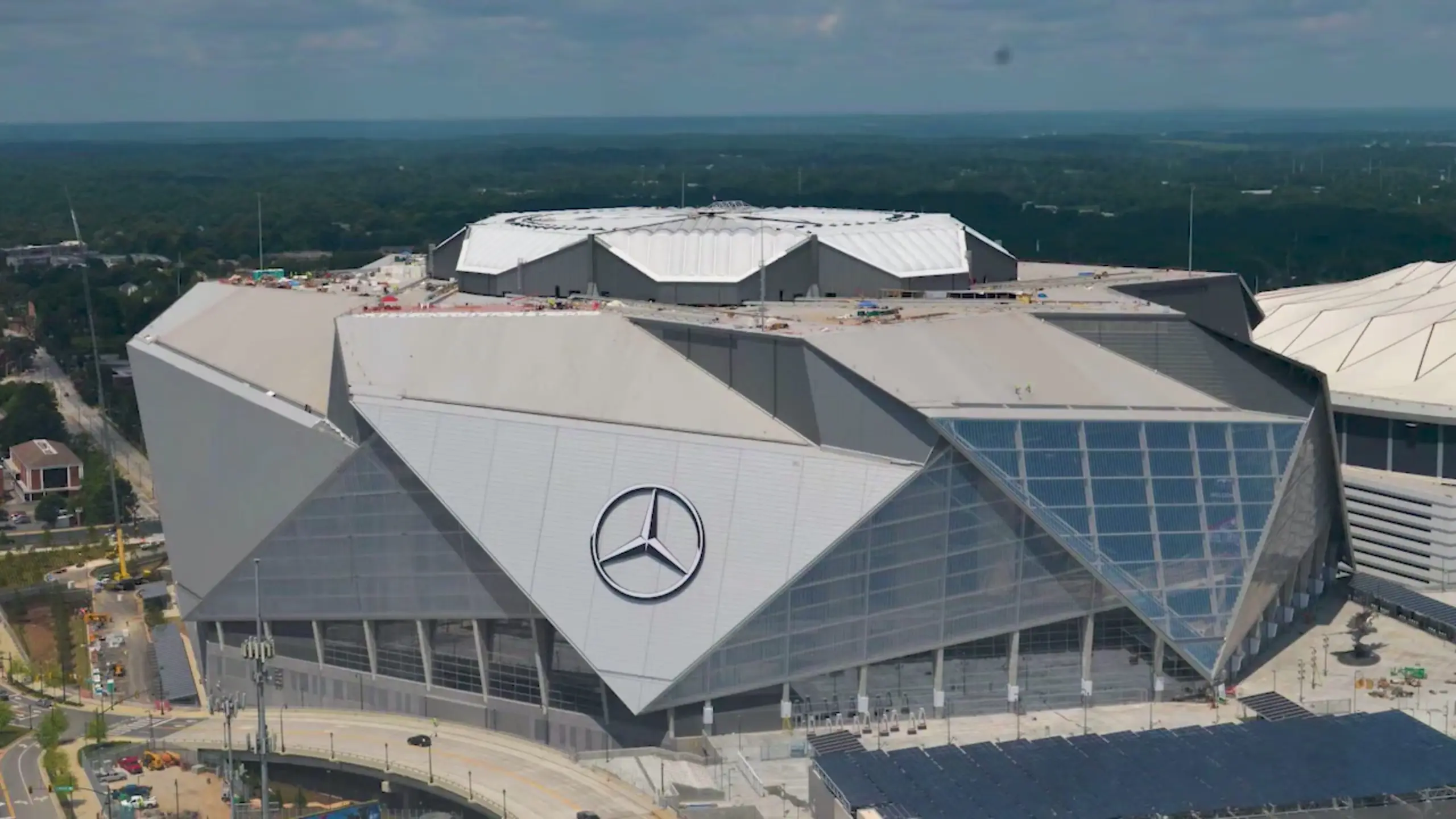
 Mexico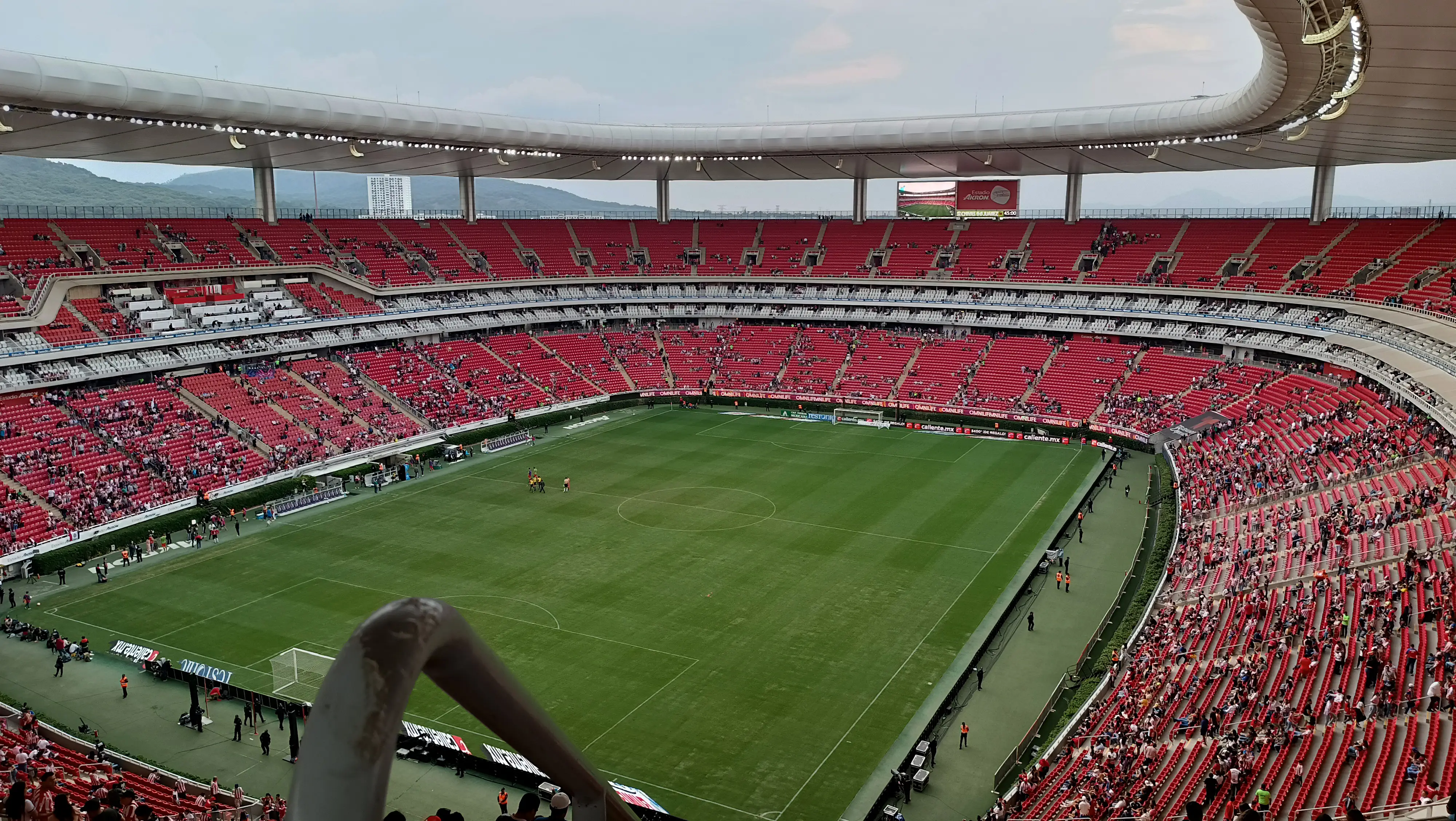
 Canada